Why inner ear nerves need steady microvascular circulation becomes clear once you look at how the auditory system receives its nourishment. The inner ear houses the cochlea, a fluid-filled organ that converts sound vibrations into electrical signals for the brain. Unlike your arm muscles, which receive blood from multiple overlapping vessels, the cochlea depends almost entirely on a single tiny channel called the spiral modiolar artery. Microvascular circulation refers to blood moving through microscopic capillaries. Why does the inner ear require such steady flow? The answer comes down to energy demand: sensory hair cells maintain an electrical charge constantly, so even a brief dip in oxygen can disrupt their work. Think of it like a small garden fed by a single garden hose. If that hose kinks or stiffens, the plants wither quickly.
Produce department essentials: roots and dark greens for vessel elasticity
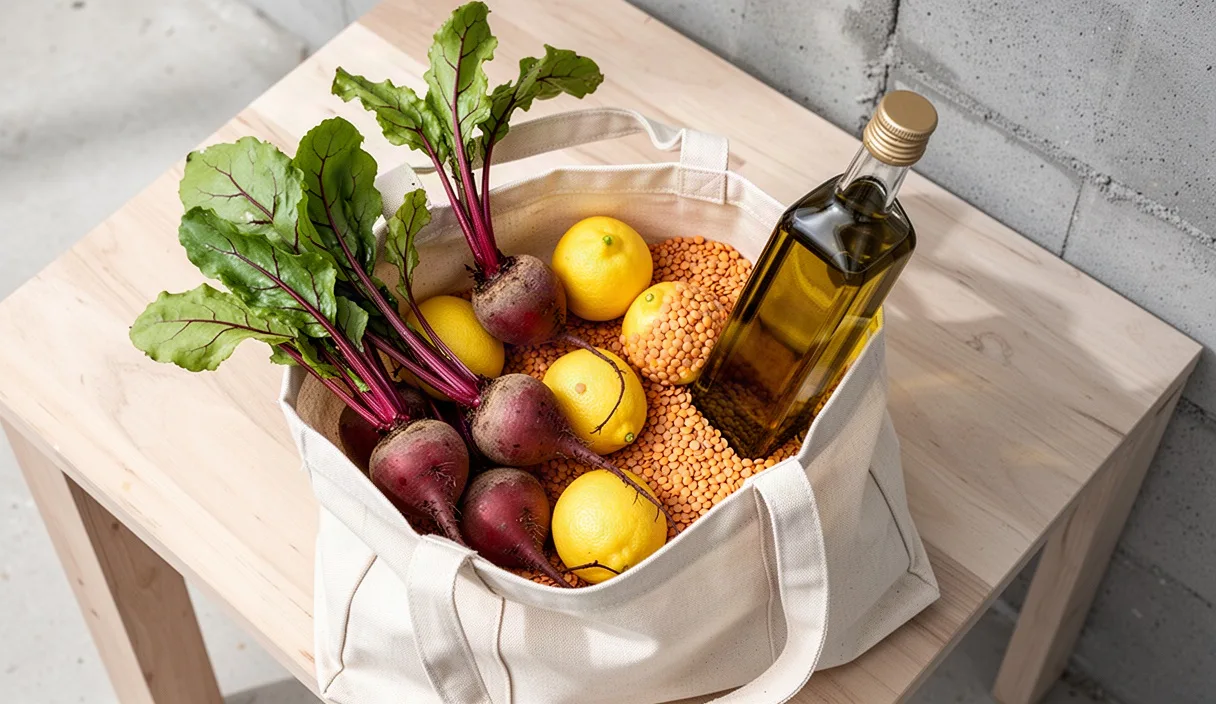
Vessel elasticity describes how easily an artery expands and relaxes to keep blood moving smoothly. To support that flexibility, focus your produce shopping on root vegetables and dark greens. Beets and radishes are rich in dietary nitrates, natural compounds that the body turns into nitric oxide. Nitric oxide signals the smooth muscle inside vessel walls to relax, widening the channel so red blood cells move with less resistance. Place two fresh beets and a bunch of radishes into your cart each week. Pair these with dark greens like spinach and kale. Two cups of raw spinach provide roughly 150 milligrams of magnesium, a mineral that helps prevent blood vessels from constricting under stress.
Pantry staples: beans, seeds, and unrefined cooking fats
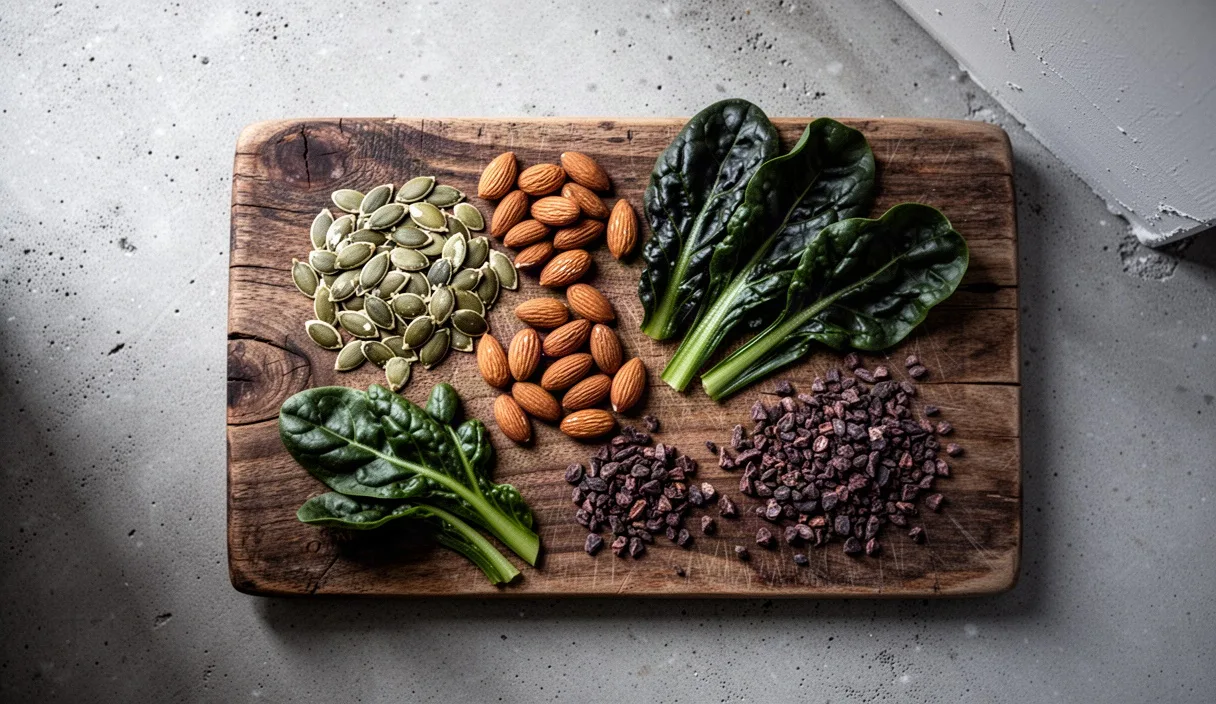
In the dry goods aisles, choose staples that support the endothelial cells lining your blood vessels. These cells form the delicate inner surface of every artery. Lentils and black beans deliver folate, a B-vitamin that helps clear homocysteine, an amino acid linked to arterial stiffness. Keep one dry bag of brown lentils and two cans of black beans on hand. Next, visit the bulk bins for pumpkin seeds and walnuts. A 30-gram serving of pumpkin seeds supplies over 2 milligrams of zinc, while walnuts provide alpha-linolenic acid, an essential plant fat that keeps cell membranes pliable. For everyday cooking, choose cold-pressed extra virgin olive oil to protect your vessels with natural polyphenols, which are plant antioxidants.
Three simple food pairings for your weekly shopping routine make these staples practical to prepare:
- Warm beet and lentil bowl: Simmer brown lentils, toss with roasted diced beets, and drizzle with two tablespoons of unrefined olive oil.
- Dark green seed salad: Toss raw baby spinach with lemon juice, sliced radishes, and 30 grams of toasted pumpkin seeds.
- Skillet beans with greens: Warm cooked black beans with garlic, fold in two cups of chopped kale until wilted, and season with cracked black pepper.
As a practical next step, check your kitchen cupboards today and note three items from this checklist before your next grocery run. Consistent kitchen habits support baseline vascular function, but food cannot replace professional care. If you experience sudden hearing shifts, persistent ringing, or dizziness, consult an audiologist or a physician promptly for a dedicated medical evaluation.
This publication provides general educational information: please consult a licensed audiologist or physician for sudden hearing shifts or persistent ringing. Disclaimer